Think Channels, before you think Digital Transformation
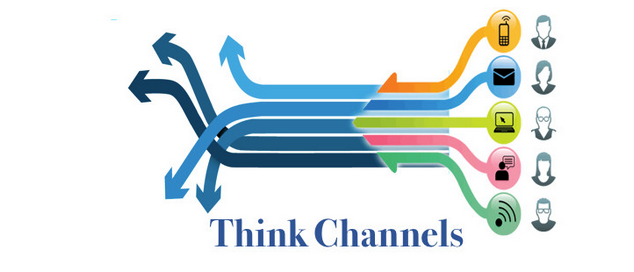
What comes to your mind when you think of digital engagement? Your customers, your products, data, analytics? What about channels? You might have the fanciest of the products, and an army of eager customers waiting to experience them, but if you have not thought through your channel strategy, it may result in a poor experience for those customers.
Which channels you provide to your customers to engage with you, how do they facilitate a good customer experience and how you can seamlessly allow a customer to switch channels are equally important for the success of your digital engagement. All of this, in essence, translates to your channel strategy.
I have come across a number of digital transformation initiatives where there's an overarching focus on digitalising the products, the processes and improving the quality of the data. I am not for one saying that these are less important, but despite these your customers are not elated. They are not singing about your company. And why is that so? Because despite being offered wonderful products, the process of acquiring them and using them remains a tedious task. In other words, the customer experience is poor which reflects adversely on your products/services, and ultimately you.
When you had few channels, and few moments of truth (the points at which your customers engage with your business), mapping a customer journey and identifying opportunities for delivering a good experience was relatively easy. I say relatively easy, as even then many businesses got it wrong. Now, with increasing number of channels, devices, and an increasingly mobile customer, delivering a consistent experience to your customer is, putting it mildly, difficult.
And that is the reason why you should think channels, even before you think digital.
If you are aligned with my views so far, here's a starter for a ten for your channel strategy:
a. Value delivery: What do you seek to deliver to your customers through your channels? Go beyond products; think experience. Start from the customer motivations and walk the mile in your customers' shoes. Do you like what you just experienced? If not, why? What needs to change?
b. Omni-channel: How would the channels enable the delivery of value? How would they come together to deliver a consistent experience to your customers? What does consistency of experience mean for the product/service in question. If a device/channel is not delivering the desired experience how would you nudge your in-journey customer to switch to the most appropriate channel?
Omni-channel is a topic in itself. And is prone to ambiguity. I will cover this in details in a later blog.
c. Channel primacy: Let's face it. You can't design all products/services for all channels. In your digital journey, you need to decide which will be your primary channel for engagement. And it need not be mobile (because that's the current buzzword). Your propositions are suited to be delivered best through one or more channel. You need to ensure that your in-journey customers in that channel have the best experience. And you should be able to nudge Any customer who is not using the appropriate channel to the right channel. That is when they experience the best of your propositions.
Identify your primary channels and design your digital journeys around that channel. Tell the world about the wonderful experience that your customers have while using the channel. And apologise to the customers using other channels, offering them to move to the primary channel.
Your primary channel may not always suit all your products/services. For example, if your sale processes includes a number of forms to be filled, and your primary channel happens to be mobile, it may not be the best experience to your customers. Think of secondary channels where you would move your in-journey customers to complete a specific journey and then move back to the primary channel.
d. Device Strategy:
It's good to distribute your products/services through as many devices as possible, provided they are delivering a consistent experience. But this is not always possible. As devices are getting smaller, and supported by cloud, you may need to rethink your device strategy. Which functions (or part thereof) are best delivered through a device. For example, while notifications can be (potentially) delivered through all channels, most simple transactions can be delivered though most channels; complex transactions, and those involving a significant input may be best delivery through a large screens or through a voice channel where the details are captured by an agent.
The above are by far not the only components of your channel strategy. Based on the nature of your business, you many like to have other components as well. This was just to provide an insight into the making of channel strategy. And having thought through your channel strategy, planning your digital transformation becomes relatively easier.