Why I Called This Site Organised Friction
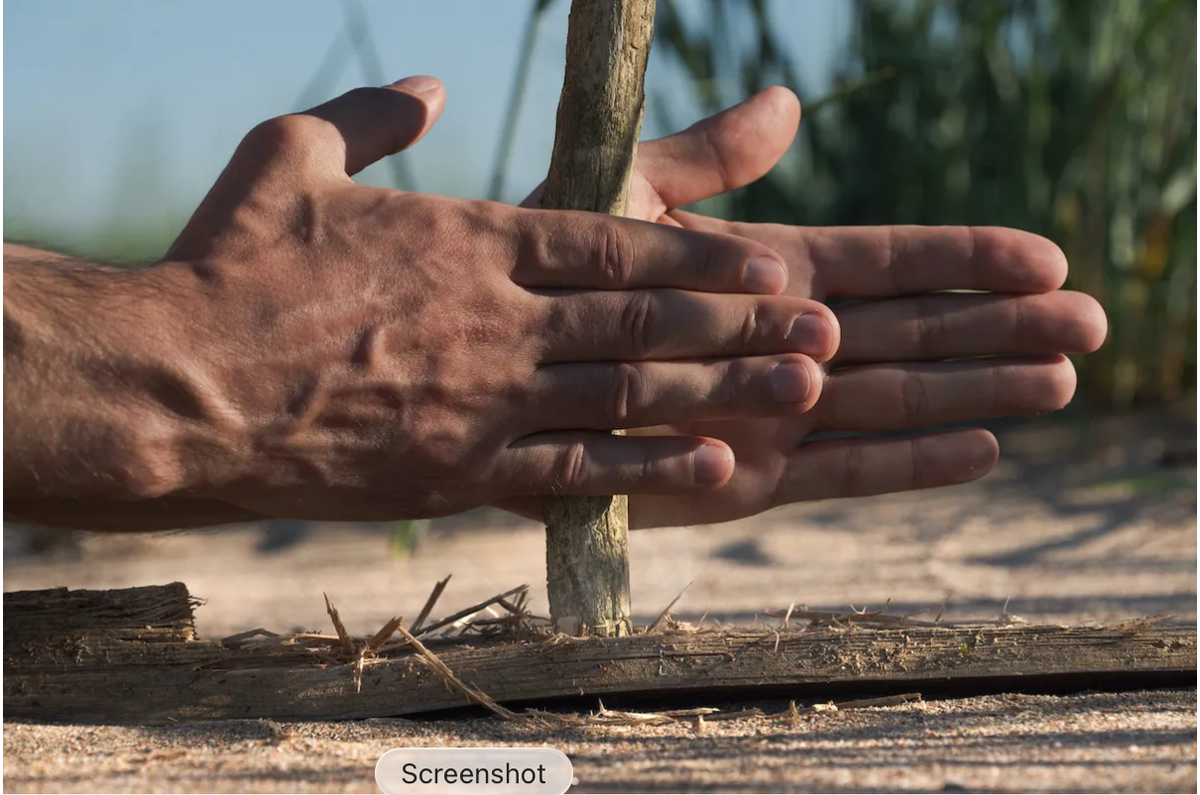
There is a moment I have encountered in almost every transformation programme I have worked on. It happens in a workshop, or a design review, or sometimes in a corridor conversation that nobody planned.
Someone asks a question that stops the room.
Not a hostile question. Not a political one. Just a precise, well-timed challenge to something that everybody had quietly assumed was settled. The kind of question that makes the room go slightly quiet while people realise, almost simultaneously, that the answer they thought they had is not as solid as they believed.
That moment is uncomfortable. It slows things down. In some organisations it is actively discouraged, because speed is prized above clarity and discomfort is mistaken for obstruction.
But in my experience, that moment is where real transformation begins.
The Problem with Frictionless Change
There is a seductive idea in transformation circles that good change should feel smooth. That if the strategy is clear, the stakeholders are aligned, and the programme is well-governed, everything should flow. Friction, in this view, is a symptom of something going wrong.
I have spent twenty years watching what happens when organisations pursue frictionless change. They move fast. They produce artefacts. They hit milestones. And then, somewhere between the programme closure report and the post-implementation review, it becomes apparent that the organisation has not actually changed. It has reorganised. It has rebranded. It has re-platformed. But the underlying capability gaps that made change necessary in the first place are still there, dressed in new clothes.
Frictionless change is often just deferred reckoning.
What Architecture Is Actually For
Business architecture, done well, is not a documentation exercise. It is not a governance overhead. It is not something you do to satisfy a design authority before getting on with the real work.
It is the practice of making organisations think clearly about what they are, what they are trying to become, and what stands between those two things.
That work is inherently uncomfortable. A capability model that tells a leadership team their most cherished operating division is duplicating effort across three other parts of the business is not going to be welcomed with open arms. A value stream map that shows a customer journey crossing seventeen organisational boundaries before it reaches resolution is not a pleasant thing to present to the people who drew those boundaries.
But it is necessary. And the discomfort it creates, when it is channelled deliberately and constructively, is what makes the difference between change that sticks and change that evaporates.
That is organised friction.
What It Looks Like in Practice
In a recent engagement I was asked to bring architectural coherence to a programme implementing over 150 business services. The organisation saw each service as essentially distinct, the product of its own history, its own stakeholders, its own way of working.
What the architecture revealed was something different. Beneath the apparent complexity, those 150 services were combinations of just 15 design patterns. The same core building blocks, assembled in different configurations, appearing under different names in different parts of the organisation.
When I presented this to the senior leadership team, the initial reaction was disbelief. The challenge in the room was significant. People had spent years building and defending those services. The suggestion that they were variations on a small set of patterns felt, to some, like a diminishment of something they had worked hard to create.
But the challenge was productive. We worked through it. By the end of the meeting, the leadership team had agreed to adopt the pattern-based approach as the architectural foundation for the programme. The result was a measurable reduction in design complexity, faster delivery, and a significantly simplified design governance model. Not because anyone was steamrollered into agreement, but because the architecture made the case clearly enough that the room could see it for themselves.
That is what organised friction looks like. Not a smooth presentation that everyone nods through and nobody acts on. A difficult conversation that ends with a decision that actually changes something.
The Deliberate Act
The word that matters in that phrase is organised. Friction without organisation is just conflict. It is the workshop that descends into territorial defensiveness. It is the design review that becomes a proxy war between two divisional heads. It is the transformation programme that stalls because nobody was willing to name the real problem out loud.
Organised friction is different. It is the well-placed question asked at the right moment in the right room. It is the capability model that makes the invisible visible without making it personal. It is the architectural view that reframes a political disagreement as a structural one, and in doing so opens up the possibility of actually resolving it.
It requires skill, timing, and a particular kind of courage. Not the courage to be difficult, but the courage to be honest in environments where honesty has a cost.
And it requires knowing when to stop. Friction that becomes a permanent state is just obstruction with better vocabulary. The goal is always resolution: a clearer picture, a better decision, a more coherent architecture. The friction is the means, not the end.
This Is What the Site Is For
I am writing a book about what I have learned across twenty years of this practice. This site is where I think out loud as I write it, and where I share the frameworks and hard-won insights that do not always fit neatly into a chapter structure.
If any of this resonates, whether you are an aspiring architect, a transformation lead, or a senior leader whose most persistent organisational problems seem strangely immune to the solutions you keep throwing at them, I think you will find something useful here.
The friction is deliberate. The thinking is organised. Welcome to the site.